Veritas Structures capability
Structural inspection software
Record structural defects in the field with structured severity, location context and photo evidence that flows straight into the inspection record and asset register.
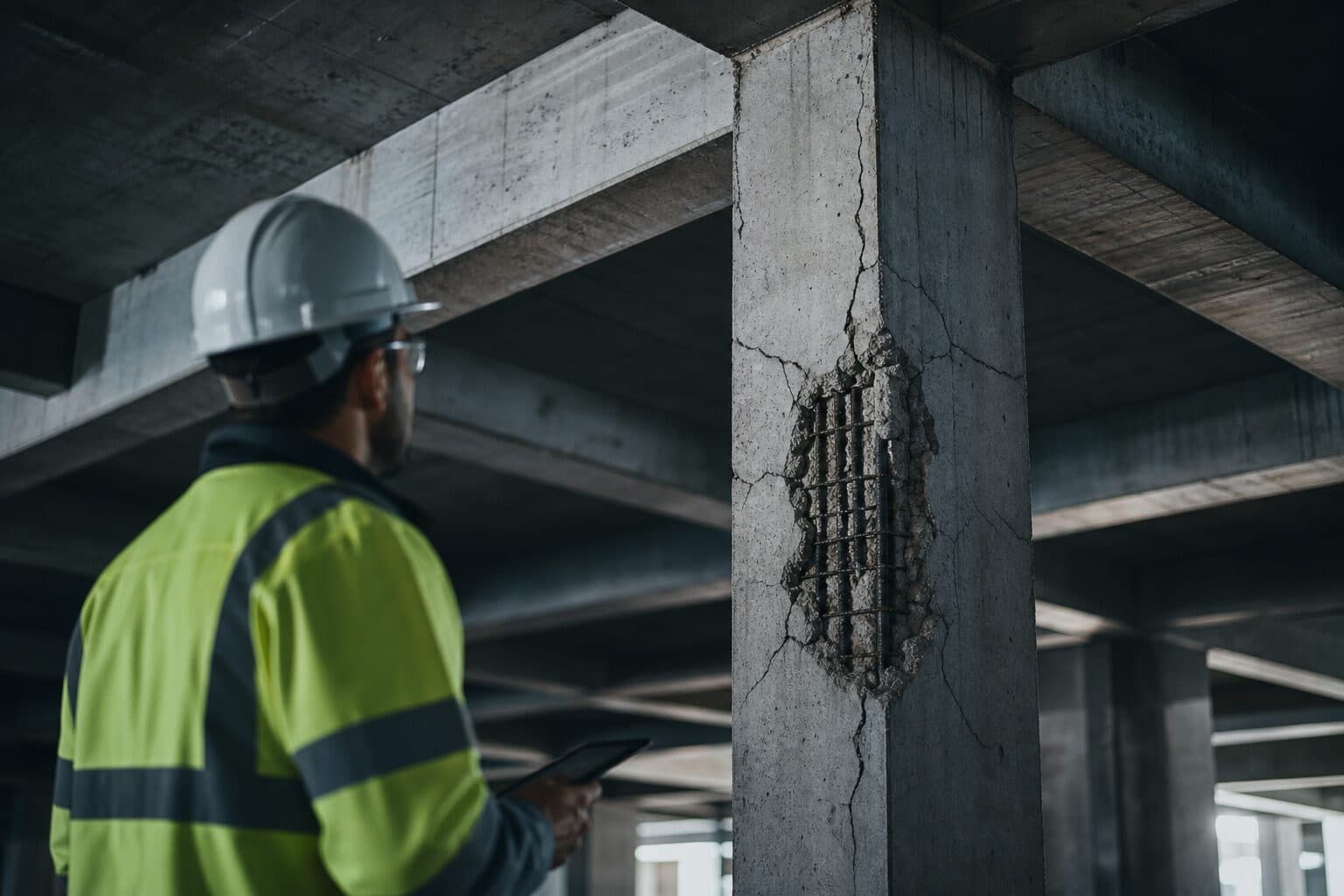
Structural inspection software is the field entry point for Veritas Structures. Inspectors and technicians record each finding against the active inspection with classification fields, severity and risk signals, location context and photo evidence while they are still at the element or accessible inspection point.
The intent is simple: stop translating handwritten notes and phone-camera folders into spreadsheets after demobilisation. Capture once, in the structure the register, report and engineering review pathways already expect.
Because every finding is tied to the inspection and asset context, later report generation, recurring programmes and engineering review start from the same evidence set rather than a reconstructed narrative.
The problem this solves
Traditional structural inspections often leave the critical evidence trail fragmented. Photos sit in camera rolls, notes sit in notebooks, and location context is reconstructed days later when memory has already faded.
That reconstruction cost shows up as slower reporting, weaker auditability and more dispute risk when owners, engineers or insurers ask where a defect sits and how severe it was judged to be on the day.
Workflow narrative
- 1. Open the inspection on device
Select the active structural inspection and confirm asset, level or element context before recording findings.
- 2. Classify the finding
Capture defect type, severity, risk and notes using the inspection taxonomy configured for the workspace.
- 3. Attach evidence
Add photos and location cues such as level, zone, member reference or grid line while still on site.
- 4. Sync into the record
Findings become part of the inspection dataset and structural asset register used for reporting and review.
In the product
Verified product evidence

Outcomes
- Structured field findings instead of free-text reconstruction
- Photo evidence linked to the defect, not orphaned in albums
- Faster handoff from site capture to draft report
- Clearer severity and location context for engineers and clients
Applicable standards
- AS 3600:2018Concrete structures
- AS 4100:2020Steel structures
- Workspace taxonomyTenant-configured structural defect classifications
Limitations
Device connectivity
Offline behaviour depends on deployment configuration. Teams should confirm field sync expectations during onboarding.
Taxonomy quality
Capture quality still depends on a well-configured defect taxonomy and inspector training.
FAQ
Common questions
Does mobile capture replace a full condition report?
Can severity be standardised across teams?
Are photos required for every defect?
Is this only for concrete structures?
Related Structures capabilities
Structural asset register
Maintain a living structural asset register where findings, photos and severity views persist beyond any single PDF deliverable.
Recurring inspections
Schedule and run recurring structural inspection programmes with baseline comparison against prior register history.
Engineering review workflow
Route structural findings through internal or external engineering review pathways when the engagement requires professional endorsement.
Structural condition reports
Turn structured structural findings into professional condition reports, with optional engineering review pathways where the engagement requires it.
Book a demo of Structural inspection software
See this capability in the live Veritas Inspect workspace. Workspace provisioning is operator-led after commercial setup.