Software module
Veritas Structures
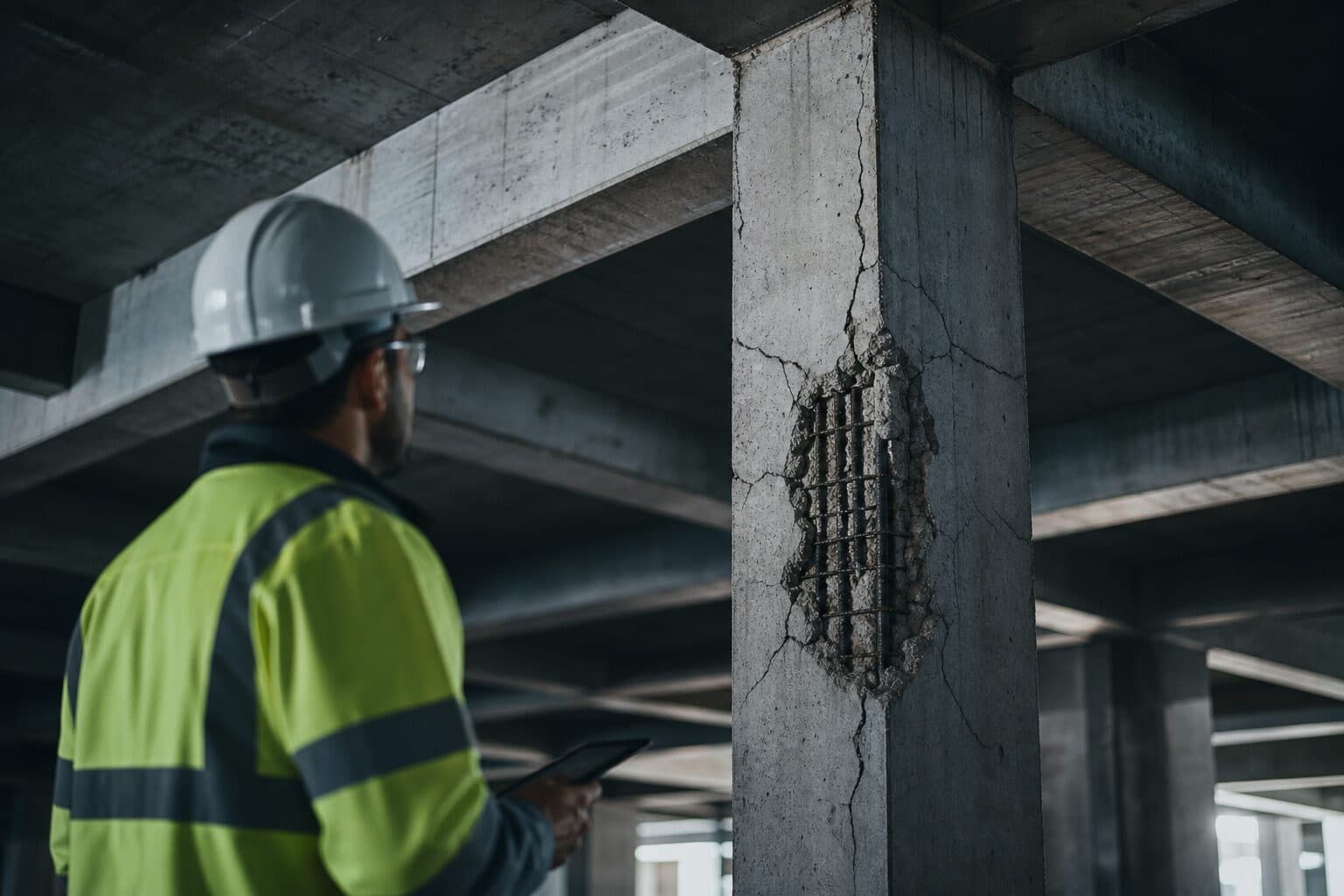
Structural inspection capture, asset registers, recurring programmes, engineering review pathways and condition reports for concrete, steel and masonry assets.
Veritas Structures is the software module for structural inspection and condition assessment programmes. It is designed for teams that need photo-led evidence capture, location-aware findings, durable asset registers and professional reporting without losing the chain of custody between field work and engineering review.
Unlike a services brochure page, this module hub explains the product workflows your workspace uses. If you need Veritas Inspect crews or engineers to deliver the field work, use the professional services and Structures discipline pages. If you need the operating system those teams and client stakeholders share, you are in the right place.
The module sits inside the wider Veritas Inspect platform, so structural records can connect to facade, MEP, compliance and safety controls where those modules are enabled for the same workspace.
Commercial setup remains operator-led. There is no instant self-serve company signup. Book a demo to see the live product, or request workspace access through sales.
Product tour
How Structures works in the platform
A typical Structures tour starts with an inspection scoped to an asset, element or investigation brief. Field users capture defects with severity, notes and photos, then locate them against structural zones, levels or member references.
Back in review, findings populate the structural asset register and become the evidence base for report generation. Stakeholders with portal access can inspect the same record without waiting for another attachment pack.
When the engagement requires it, findings escalate into engineering review workflows. External or specialist engineering endorsement is engagement-dependent, not an automatic claim on every report.
Recurring inspection programmes reuse the retained register as the baseline, so year-on-year comparison and durability tracking start from structured history rather than rediscovered folders.
In the product
Structures in practice

Buyer outcomes
What different teams get
Asset owners and portfolio managers
A durable structural condition record with clear severity and location context, plus recurring inspection history for capital planning.
Facility and building managers
Fewer lost photo packs and faster briefing of engineers and contractors against specific structural elements and zones.
Inspection and investigation providers
A repeatable capture-to-report operating model that preserves evidence quality between jobs and investigation types.
Engineers and reviewers
Structured findings ready for engineering-pathway review when the commercial engagement requires it.
Workflow
End-to-end operating sequence
- Step 1
Scope the inspection
Create the structural inspection against the asset and confirm investigation type, access method and reporting pathway.
- Step 2
Capture in the field
Record defects, photos and location context on device while still at the workface or accessible inspection point.
- Step 3
Register and review
Validate findings against the structural asset register and prepare the report pathway.
- Step 4
Engineering review where required
Route findings through internal or external engineering review when the engagement scope requires it.
- Step 5
Issue reports and share
Generate condition reports and give authorised stakeholders access to the underlying record.
- Step 6
Re-inspect with history
Use the retained register as the baseline for the next programmed or triggered inspection.
Capabilities
Explore Structures in detail
Structural inspection software
Record structural defects in the field with structured severity, location context and photo evidence that flows straight into the inspection record and asset register.
Read capability →Structural asset register
Maintain a living structural asset register where findings, photos and severity views persist beyond any single PDF deliverable.
Read capability →Recurring inspections
Schedule and run recurring structural inspection programmes with baseline comparison against prior register history.
Read capability →Engineering review workflow
Route structural findings through internal or external engineering review pathways when the engagement requires professional endorsement.
Read capability →Structural condition reports
Turn structured structural findings into professional condition reports, with optional engineering review pathways where the engagement requires it.
Read capability →Implementation
How teams adopt the module
Implementation usually begins with workspace provisioning, branding, user roles and the structural taxonomy your inspectors will use. Element naming, level references and defect classifications should be agreed before the first live job.
Teams then run a pilot inspection to validate capture, register, report and review expectations. Engineering review pathways are enabled according to entitlement and commercial scope.
Training focuses on field discipline: classify once, photograph once, locate once. That discipline is what makes later reporting, engineering review and recurring programmes fast.
Security and compliance
Controls that support trust
- Tenant-scoped data isolation for workspace records
- Role-based access for internal users and client portal recipients
- Audit-friendly timestamps and evidence attachments on findings
- Optional Veritas Ledger anchoring where that permanence layer is configured for the deployment
Honest scope
Limitations and deployment notes
Engineering review
External or specialist engineering endorsement is an engagement pathway, not an automatic property of every generated report.
Ledger sync
Veritas Ledger anchoring depends on deployment configuration and should not be assumed universal.
FAQ
Common questions
Is Veritas Structures software or a field service?
How much does the Structures module cost?
Can we start with a demo workspace?
Do we need materials testing to get value?
What is not included by default?
How does Structures connect to other modules?
Where do we see full commercial detail?
Related modules
Veritas Facade
Mobile capture, elevation mapping, professional reports, remediation workflows and client portal access for facade inspection programmes.
ModuleVeritas MEP
MEP asset registers, planned preventive maintenance, recurring schedules, daily dockets and maintenance reports for building services programmes.
ModuleVeritas Compliance
Anchor testing, height safety certification, product certification, readiness gates and compliance reports for installed systems and products.
See Structures with your own workflows
Book a guided demo of the live product, or request operator-led workspace access for your team. Existing users can sign in directly.